

That first chilly November morning in Charlotte arrives suddenly, and you turn the dial expecting toasty warmth during your commute down Independence Boulevard or I-77. Instead, cold air blasts from the vents while your engine hums along normally. It’s a frustrating moment that leaves you shivering all the way to work, wondering what went wrong and how much the repair might set you back. The good news is that this common problem is often preventable, and understanding the connection between your cooling system and cabin heat can save you from expensive repairs down the road. At Scott Clark Nissan Service, we regularly help Charlotte drivers avoid these issues with proper preventative maintenance.
Why Is My Car Heater Blowing Cold Air?
When your heater stops working properly, it typically happens at the worst possible time—right when Charlotte sees its first frost, usually arriving between early November and mid-November according to local weather patterns. You start your Nissan Rogue, Altima, or Pathfinder expecting warmth, but the vents blow frigid air instead. The engine temperature gauge reads normal, so you know the motor is warming up correctly, yet your cabin stays uncomfortably cold during your morning drive to Uptown or Matthews.

This frustrating situation often points directly to your cooling system, specifically the heater core. Many drivers don’t realize that the same coolant flowing through their engine also powers the cabin heating system. When coolant levels drop too low, becomes contaminated with debris, or loses its protective properties through age and degradation, your heater core can’t function properly. The result is cold air blowing through your vents even though your engine runs at normal temperature, leaving you bundled in layers for what should be a comfortable commute around the Queen City.
The Hidden Link: How Your Cooling System Powers Your Heat
Your Nissan’s heating system relies entirely on a small but critical component called the heater core, which functions essentially like a miniature radiator tucked behind your dashboard. Hot coolant from the engine flows continuously through this core, and when you turn on the heat, a blower motor pushes air across the heater core’s hot surface, warming it before directing it into your cabin. This elegant system uses waste heat from your engine, meaning no additional energy is required to keep you comfortable during Charlotte’s cold snaps.
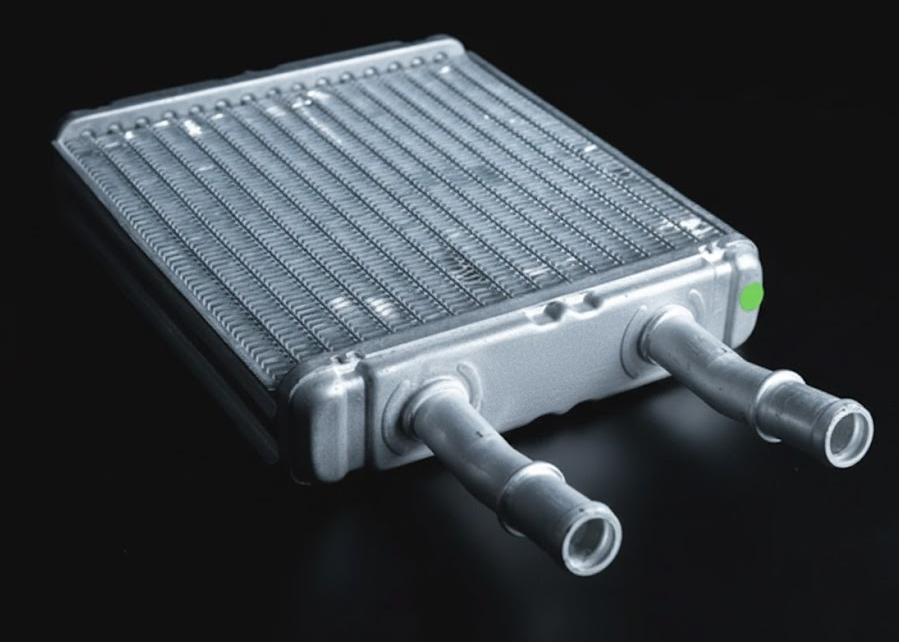
The heater core itself is constructed from aluminum or brass and features tiny passages that allow coolant to flow through while maximizing surface area for heat transfer. When everything works correctly, this system efficiently keeps your cabin warm even when temperatures outside drop below freezing. However, those narrow passages can easily become clogged with sediment, rust, or degraded coolant, blocking flow and preventing heat transfer. Low coolant levels also starve the heater core, especially at idle when the water pump isn’t spinning as fast, which explains why your heat might feel adequate while driving but blow cold air when stopped at traffic lights along South Boulevard or Tryon Street.
Why Genuine Nissan Coolant Is Non-Negotiable
Walk into any auto parts store and you’ll find shelves lined with “universal” coolants in various colors, all claiming to work in any vehicle. These generic options might seem like a smart way to save money, but using them in your Nissan can actually lead to expensive problems that far outweigh any initial savings. Nissan engineers specifically formulated Genuine Nissan Long Life Coolant to protect the aluminum components in your engine and heater core, using a precise chemical formula that prevents corrosion and maintains optimal performance for years.
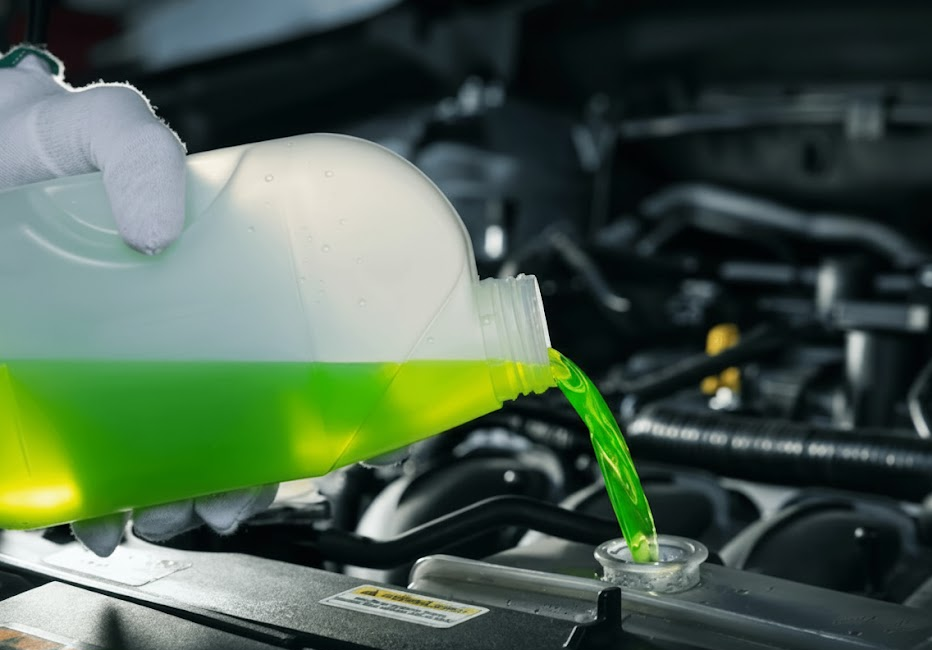
Generic coolants often contain silicates, borates, or other additives that can react badly with aluminum, causing corrosion that eats away at your heater core’s delicate passages. This corrosion creates rust particles and sediment that circulate through your cooling system, eventually clogging the narrow channels in your heater core and leading to complete heating failure. Even worse, mixing different coolant types—such as adding generic green “universal” antifreeze to your Nissan’s blue coolant—can cause the fluids to gel together, creating thick sludge that blocks coolant flow entirely and can result in engine overheating along with heating system failure. The certified technicians at Scott Clark Nissan Service use only Genuine Nissan parts and fluids, ensuring your vehicle receives exactly what it needs for long-term reliability and protection against Charlotte’s temperature swings.
Signs Your Cooling System Needs a Pre-Winter Flush
Your Nissan will often give you warning signs before your heater fails completely, and recognizing these symptoms early can prevent a roadside breakdown during Charlotte’s coldest weeks in January or February. Paying attention to these indicators helps you address problems while they’re still manageable, avoiding the inconvenience and expense of major repairs when temperatures drop:
- Sweet smell inside the cabin: A sugary or syrupy odor coming from your vents indicates coolant is leaking from your heater core into the cabin air, suggesting imminent failure that requires immediate attention before you’re stranded in the cold.
- Foggy windows with sticky residue: If your windshield develops a film that’s difficult to remove and feels oily or sticky, that’s aerosolized coolant from a leaking heater core coating the inside of your glass, creating visibility problems and indicating a serious leak.
- Engine running hotter than normal: When your temperature gauge creeps higher than usual during typical driving around South Charlotte or Ballantyne, it often means low coolant levels or poor circulation, both of which also affect your heating performance and can lead to engine damage.
- Visible coolant puddles: Finding bright blue or green fluid under the passenger side of your Nissan after parking suggests your heater core is leaking internally, wasting coolant and preventing proper heating function.
- Discolored or rusty coolant: Fresh Nissan coolant appears bright blue, but if you notice brown, rusty, or murky fluid in your overflow reservoir, that contamination will eventually clog your heater core and compromise the entire cooling system’s effectiveness.
If you notice any of these warning signs, scheduling a cooling system inspection before Charlotte’s first freeze can save you from being stuck in a cold car during your commute. The Express Service team at Scott Clark Nissan Service can quickly diagnose cooling system issues and recommend the right solution, getting you back on the road with reliable heat for the winter months ahead.
The Real Cost of Neglecting Your Cooling System
Many Charlotte drivers put off cooling system maintenance because everything seems fine during daily driving, but this approach can backfire spectacularly when winter arrives. Your cooling system works continuously year-round, not just during summer heat, and the coolant inside gradually breaks down over time. Old coolant becomes acidic as its protective additives deplete, turning from a protective fluid into a corrosive liquid that actively damages aluminum components throughout your engine and heating system.
This acidic degraded coolant eats away at your heater core’s thin aluminum tubes, creating pinhole leaks that eventually require a complete heater core replacement—one of the most labor-intensive repairs possible on a modern vehicle. Replacing a heater core requires removing most of the dashboard, disconnecting countless electrical connectors, and spending hours on labor that could have been avoided with simple preventative maintenance. A straightforward cooling system flush with fresh Genuine Nissan Coolant costs a fraction of heater core replacement and protects your entire cooling system, giving you peace of mind as temperatures drop and Charlotte approaches its typical first freeze around November 8th.
Understanding Coolant Service Intervals for Charlotte’s Climate
While factory maintenance schedules vary, industry experts often recommend cooling system service every 30,000 to 60,000 miles depending on your specific model and driving conditions. Charlotte’s climate adds another layer to this recommendation. The temperature swings we experience in North Carolina—from summer highs in the 90s down to occasional winter lows in the teens—put additional stress on your cooling system, causing seals to expand and contract and accelerating coolant degradation over time.
A pre-winter cooling system check makes especially good sense in Charlotte, where we transition relatively quickly from warm fall weather to our first frost, typically arriving in early November. Having your coolant tested and potentially flushed before temperatures drop ensures you’re not caught off guard when that first cold morning arrives. The service technicians at Scott Clark Nissan Service can test your coolant’s condition, check for proper freeze protection, and verify that your entire cooling system is ready to handle both winter cold and the return of summer heat. You can conveniently check our current service specials to see if there are savings available on cooling system services.
What Actually Happens During a Cooling System Flush
Understanding what’s involved in a proper cooling system flush helps you appreciate why this service protects your Nissan far better than simply topping off coolant when levels run low. A complete flush involves several critical steps that restore your cooling system to like-new condition, removing all the contamination that has built up over thousands of miles of driving around Charlotte.
First, certified technicians drain your old coolant completely, removing all the degraded fluid along with any rust, sediment, or other contaminants that have accumulated in the system. Next, they circulate a specialized cleaning solution through the entire cooling system, loosening and removing buildup from your radiator, engine block, and heater core that simple draining can’t reach. This cleaning step is particularly important because it restores flow through narrow passages that may have become partially restricted, ensuring your heater core can once again transfer heat efficiently. Finally, they refill your system with fresh Genuine Nissan Long Life Coolant mixed to the exact concentration needed for optimal protection, testing the system to ensure proper operation and no leaks. The entire process typically takes about an hour at Scott Clark Nissan Service, and you can wait comfortably in our customer lounge with free WiFi and coffee while our team works on your vehicle.
How Charlotte Weather Affects Your Cooling System
Living in Charlotte means experiencing a full range of temperatures throughout the year, and this variety puts unique demands on your Nissan’s cooling system. Summer temperatures regularly climb into the low 90s, with heat indexes occasionally reaching triple digits during July and August, forcing your cooling system to work overtime preventing engine overheating. Then, as fall arrives and we approach our typical first frost between late October and mid-November, the same cooling system must provide reliable cabin heat while protecting against freezing damage.
This wide temperature range explains why Genuine Nissan Coolant is formulated as a 50/50 mixture of antifreeze and water, providing protection down to extremely cold temperatures while also offering superior heat transfer properties for hot summer days. Generic coolants might work adequately in mild climates, but Charlotte’s temperature swings demand the specific protection that Genuine Nissan Coolant provides. The aluminum components in your Nissan’s engine and heater core need that extra protection to withstand years of thermal cycling between Charlotte’s seasonal extremes, ensuring reliable performance whether you’re running the heat during a January cold snap or cranking the AC during an August afternoon at SouthPark or Northlake Mall.
Common Myths About Coolant and Heating Systems
| Myth | Reality | Why It Matters |
|---|---|---|
| “All coolant is basically the same” | Different coolants use different chemical formulations (OAT, HOAT, IAT) specifically designed for different metals and engine types | Using the wrong coolant can cause corrosion and damage to your Nissan’s aluminum components, leading to expensive repairs |
| “You can mix different coolant colors” | Mixing coolant types can cause chemical reactions that create sludge and gel-like substances that clog your cooling system | This sludge blocks narrow passages in your heater core and radiator, causing both heating and cooling system failures |
| “Coolant lasts forever if you just top it off” | Coolant gradually breaks down and becomes acidic over time, losing its protective additives even if the level stays full | Old degraded coolant actively corrodes your cooling system components instead of protecting them |
| “The cooling system only matters in summer” | Your cooling system provides cabin heat in winter and prevents freezing damage while still managing engine temperature year-round | Neglecting cooling system maintenance leads to heating failures in winter and potential engine damage from inadequate cooling or freezing |
| “If the engine isn’t overheating, everything is fine” | Low coolant or restricted flow can prevent adequate heating while the engine still runs at normal temperature | Your heater core requires proper coolant flow to work correctly, and problems often show up as heating issues before overheating occurs |
Frequently Asked Questions
Q: Why does my Nissan heater blow cold air when the car is stopped but warm air when driving?
A: Low coolant levels often cause this problem because the heater core doesn’t get enough hot fluid when the water pump isn’t spinning fast at idle. When you accelerate, the pump spins faster and pushes more coolant through the heater core, restoring heat temporarily until you stop again at the next traffic light.
Q: Can I mix generic green antifreeze with Nissan Blue coolant to save money?
A: No, you should never mix different coolant chemistries because they can react together and form gel-like sludge that clogs your heater core and causes expensive damage. Always use Genuine Nissan Coolant to maintain your vehicle’s protection and avoid compatibility problems that can lead to complete system failure.
Q: How often should I flush my Nissan’s coolant in Charlotte?
A: Service experts often suggest every 30,000 to 60,000 miles depending on your specific model and driving habits, but a pre-winter check is highly recommended each year before Charlotte’s first freeze. Having your coolant tested annually ensures it still has adequate freeze protection and hasn’t become acidic from age.
Q: Is a coolant flush the same thing as a heater core replacement?
A: No, a flush is preventative maintenance that cleans your cooling system and replaces old fluid with fresh Genuine Nissan Coolant. A heater core replacement is an expensive repair that involves removing most of your dashboard to replace a failed component—maintenance prevents the need for this repair.
Q: What’s the difference between a coolant top-off and a complete flush?
A: Topping off simply adds fluid to restore the level, leaving all the old degraded coolant and contamination in your system. A complete flush removes everything, cleans the system with specialized solutions, and refills with fresh coolant, providing full protection and restoring optimal performance.
Don’t Wait for the First Freeze: Schedule Service in Charlotte Today
Charlotte drivers don’t need to wait until their heater fails completely to take action. A simple cooling system inspection at Scott Clark Nissan Service can identify potential problems before they leave you shivering during your morning commute. Our certified technicians have the diagnostic tools and expertise to test your coolant’s condition, check for leaks, and determine whether a flush would benefit your Nissan. With decades of experience serving the Charlotte community since 1972, we understand exactly what your vehicle needs to perform reliably through every season.
Preventative maintenance always costs significantly less than emergency repairs, and addressing cooling system needs before winter arrives means you’ll have reliable heat when temperatures drop. Our comfortable customer lounge offers free WiFi, complimentary coffee, and a welcoming environment where you can relax while our team services your vehicle. Taking care of your cooling system now protects you from unexpected failures during Charlotte’s coldest months.
Schedule your cooling system service appointment today and ensure your Nissan is ready for winter!
Or visit us at 9215 South Blvd, Charlotte, NC 28273, and let our certified technicians ensure your heater keeps you comfortable throughout Charlotte’s winter weather.